
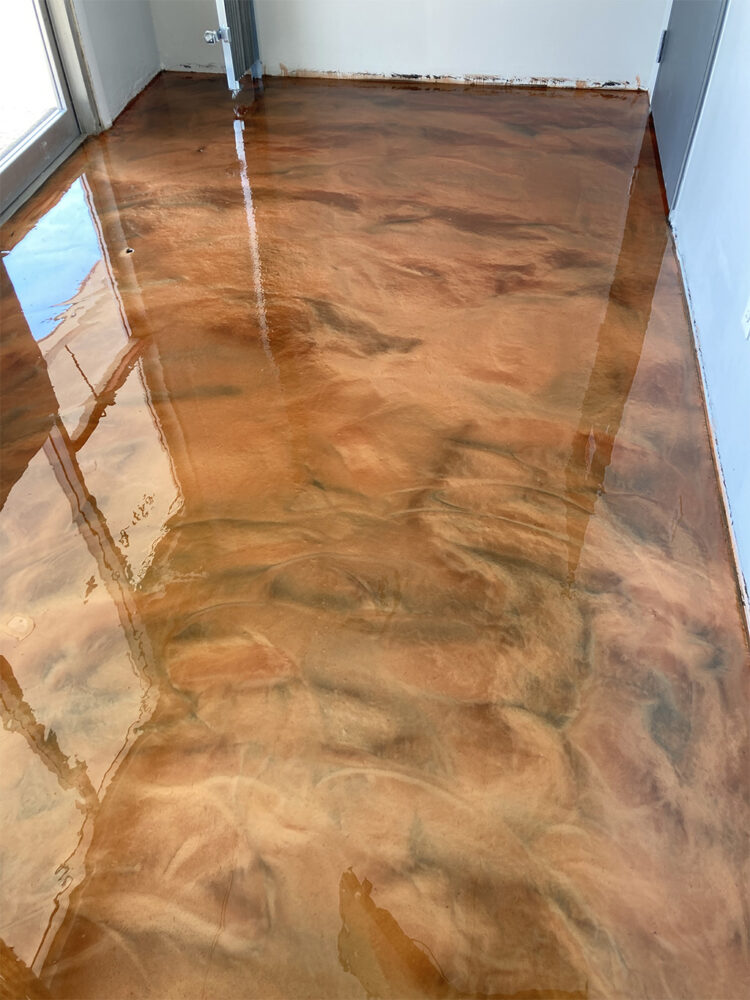
Embarking on do-it-yourself (DIY) epoxy painting projects can be both rewarding and transformative, allowing you to unleash your creativity while adding a touch of style and durability to various surfaces. From reviving worn-out floors to creating eye-catching countertops and stunning artwork, epoxy painting offers endless possibilities for DIY enthusiasts. In this article, we’ll explore a range of inspiring DIY epoxy painting projects, providing step-by-step guides and expert tips to help you achieve professional results in your own home. Whether you’re a seasoned DIYer looking for your next project or a beginner eager to explore the world of epoxy painting, this guide will provide you with the inspiration and guidance you need to embark on your epoxy painting journey with confidence. Join us as we dive into the world of DIY epoxy painting and discover the endless possibilities for transforming your space with style and flair.

Brief Overview of Epoxy Painting
Epoxy painting is a versatile and durable coating system that is widely used for various surfaces, including floors, walls, countertops, and more. It consists of epoxy resin and a hardener, which are mixed together to create a chemical reaction resulting in a tough and resilient finish. Epoxy paint offers numerous benefits, such as strength, durability, resistance to stains and chemicals, and the ability to create glossy and vibrant finishes. This coating is commonly used in residential, commercial, and industrial settings for its ability to enhance both aesthetics and functionality. In this article, we’ll explore the many advantages and applications of epoxy painting, as well as provide insights into its installation, maintenance, and DIY projects.
Importance and Benefits of Epoxy Painting in Home Improvement
Epoxy painting plays a significant role in home improvement projects, offering a multitude of benefits that contribute to both aesthetics and functionality. Here are some of the key reasons why epoxy painting is important and advantageous in home improvement:
Durability: Epoxy paint creates a durable and resilient surface that can withstand heavy foot traffic, impact, and abrasion. It forms a protective layer that enhances the lifespan of surfaces, making it an ideal choice for high-traffic areas like garages, basements, and workshops.
Resistance to Stains and Chemicals: Epoxy paint is highly resistant to stains, spills, and chemicals, making it easy to clean and maintain. This makes it suitable for areas prone to spills, such as kitchens, bathrooms, and laundry rooms, where maintaining cleanliness is essential.
Enhanced Aesthetics: Epoxy painting offers a wide range of colors, finishes, and effects, allowing homeowners to customize their surfaces to match their desired aesthetic. Whether creating a sleek and modern look or adding decorative patterns and designs, epoxy paint can enhance the visual appeal of any space.
Versatility in Applications: Epoxy paint can be applied to various surfaces, including concrete, wood, metal, and tile. It can be used on floors, walls, countertops, and even furniture, providing versatility in home improvement projects.
Protection Against Moisture and Mold: Epoxy paint creates a waterproof barrier that helps prevent moisture penetration and mold growth. This makes it particularly suitable for areas prone to moisture, such as bathrooms, basements, and outdoor spaces.
Cost-Effectiveness: In comparison to other flooring and coating options, epoxy painting is often more cost-effective, offering durability and longevity at a reasonable price. It can be a budget-friendly solution for homeowners looking to upgrade their surfaces without breaking the bank.
Ease of Maintenance: Epoxy-painted surfaces are easy to clean and maintain, requiring simple sweeping, mopping, or wiping to keep them looking fresh and new. This low maintenance requirement saves time and effort for homeowners.
Advantages of Epoxy Painting
Epoxy painting offers several advantages that make it stand out compared to traditional flooring and wall coatings. One of its biggest strengths is durability. Epoxy surfaces can withstand heavy loads, constant foot traffic, and the movement of vehicles, making it ideal for garages, warehouses, and industrial settings.
Another major benefit is its resistance to chemicals, water, and stains. Unlike regular paint, epoxy does not absorb spills or get damaged easily by harsh substances, which is why it is widely used in hospitals, laboratories, and food-processing facilities.
Epoxy paint also enhances aesthetics. With options such as metallic finishes, flakes, and custom colors, epoxy can transform dull spaces into modern, stylish areas. Its glossy finish improves lighting by reflecting brightness, creating a clean and professional appearance.
Safety is another advantage of epoxy painting. Slip-resistant additives can be included to reduce accidents in wet or busy environments. Additionally, epoxy surfaces are seamless, which means they prevent the growth of bacteria, mold, and dust accumulation—perfect for hygienic spaces.
From an economic perspective, epoxy painting is cost-effective. Though the initial installation may be higher than traditional paint, its long-lasting durability and minimal maintenance requirements make it more affordable over time.
In summary, epoxy painting combines strength, beauty, and practicality. It is a multifunctional solution suitable for both homes and industries, offering unmatched value for long-term flooring and wall protection.
Common Applications of Epoxy Painting
Epoxy painting is widely used across multiple sectors due to its strength, versatility, and aesthetic options. In industrial environments, it is a top choice for warehouses, factories, and manufacturing plants where heavy machinery and chemical exposure are common. The coating provides resistance against wear, spills, and impacts, ensuring long-lasting protection.
In commercial spaces such as showrooms, retail stores, and offices, epoxy painting enhances both durability and appearance. Its glossy finish creates a modern look while also making spaces brighter and more inviting. Epoxy flake and metallic designs are often used in these settings for decorative appeal.
Residential applications of epoxy painting are rapidly growing. Garages, basements, and kitchens benefit from epoxy’s stain resistance, ease of cleaning, and polished appearance. Many homeowners also use decorative epoxy coatings in living areas to achieve a unique, stylish look.
In healthcare and hospitality industries, epoxy painting is highly valued for its seamless and hygienic properties. Hospitals, clinics, hotels, and restaurants use epoxy coatings to ensure cleanliness, safety, and durability.
Another important application is in parking lots and aviation hangars, where epoxy coatings withstand heavy vehicle traffic and resist oil, fuel, and tire marks.
The wide range of applications proves that epoxy painting is not limited to industrial use; it has become a go-to solution for both practical and decorative purposes across different industries.
Epoxy Painting vs. Traditional Paint
When comparing epoxy painting with traditional paint, the differences are clear in terms of performance, durability, and aesthetics. Traditional paint is easy to apply and suitable for walls or surfaces with minimal wear, but it lacks the strength to handle heavy loads, chemical exposure, or moisture.
Epoxy paint, on the other hand, forms a thick, hard coating that bonds strongly with the substrate. It does not peel, fade, or crack easily, unlike conventional paint. Its resistance to water, oils, and chemicals makes it ideal for high-demand environments such as warehouses, hospitals, and garages.
While traditional paint offers a variety of colors, epoxy paint goes further by providing decorative finishes like metallic effects, flakes, and glossy appearances. It is not only functional but also stylish.
Cost is another point of comparison. Traditional paint is cheaper initially but requires frequent touch-ups, whereas epoxy painting may involve higher upfront costs but saves money long term due to its durability and minimal maintenance.
Overall, epoxy painting surpasses traditional paint in almost every aspect. For areas where durability, safety, and aesthetics matter, epoxy is the superior choice.
The Process of Applying Epoxy Paint
Applying epoxy paint requires precision and preparation to ensure long-lasting results. The first step is surface preparation, which involves cleaning, repairing cracks, and removing oil, dust, or old coatings. A properly prepared surface ensures strong adhesion.
Next, the epoxy resin and hardener are mixed thoroughly to trigger the chemical reaction that creates the durable coating. The mixture must be applied quickly, as epoxy has a limited working time before it begins to harden.
The application process typically involves using rollers, brushes, or spray equipment to achieve an even coat. Depending on the desired thickness and finish, multiple layers may be applied. For decorative effects, flakes or metallic pigments can be added between layers.
After application, the surface needs adequate curing time, usually between 24 to 72 hours, depending on the type of epoxy and environmental conditions. Walking or heavy use should be avoided during this period to allow the coating to harden fully.
A final topcoat or sealant may be applied to improve gloss, durability, and slip resistance. Proper application ensures that the epoxy paint provides maximum protection, aesthetics, and longevity.

Benefits of Epoxy Painting
Epoxy painting offers a multitude of advantages that make it a preferred choice for various surfaces in residential, commercial, and industrial settings. Here are some of the key benefits of epoxy painting:
Durability: Epoxy paint forms a strong and resilient surface that can withstand heavy use, impact, and abrasion. It creates a protective layer that extends the lifespan of surfaces, reducing the need for frequent repairs or replacements.
Resistance to Stains and Chemicals: Epoxy paint is highly resistant to stains, spills, and chemicals, making it easy to clean and maintain. This makes it suitable for areas prone to spills and stains, such as kitchens, garages, and workshops.
Enhanced Aesthetics: Epoxy painting offers a wide range of colors, finishes, and effects, allowing for customization to match any desired aesthetic. Whether creating a sleek and modern look or adding decorative patterns and designs, epoxy paint can enhance the visual appeal of any space.
Versatility: Epoxy paint can be applied to various surfaces, including concrete, wood, metal, and tile. It can be used on floors, walls, countertops, and even furniture, providing versatility in applications.
Protection Against Moisture and Mold: Epoxy paint creates a waterproof barrier that helps prevent moisture penetration and mold growth. This makes it particularly suitable for areas exposed to moisture, such as bathrooms, basements, and outdoor spaces.
Quick Installation: Epoxy paint can be applied quickly and easily, minimizing downtime and disruption to daily activities. It cures rapidly, allowing for fast return to service compared to other coating options.
Cost-Effectiveness: In comparison to other flooring and coating options, epoxy painting is often more cost-effective, offering durability and longevity at a reasonable price. It can be a budget-friendly solution for homeowners and businesses looking to upgrade their surfaces.
Environmentally Friendly: Many epoxy paints are low in volatile organic compounds (VOCs), making them environmentally friendly and safe for indoor use. They contribute to healthier indoor air quality and sustainability efforts.
Types of Epoxy Paint
Epoxy paint comes in various formulations, each tailored to specific applications and surfaces. Here are the most common types of epoxy paint:
Epoxy Floor Paint: Designed specifically for use on concrete floors, epoxy floor paint offers exceptional durability, chemical resistance, and aesthetic appeal. It provides a seamless and glossy finish that enhances the appearance of garage floors, industrial floors, and commercial spaces.
Epoxy Wall Paint: Epoxy wall paint is formulated for use on interior walls, providing a durable and washable finish that resists stains, moisture, and abrasion. It is commonly used in kitchens, bathrooms, and other areas where cleanliness and durability are essential.
Epoxy Countertop Paint: This specialized epoxy paint is designed for use on kitchen and bathroom countertops, offering a durable and heat-resistant finish that withstands daily wear and tear. It provides a seamless and non-porous surface that is easy to clean and maintain.
Epoxy Primer: Epoxy primer is used as a base coat before applying epoxy paint to improve adhesion and durability. It helps seal porous surfaces, such as concrete, and provides a smooth and uniform base for the topcoat.
Clear Epoxy Topcoat: Clear epoxy topcoat is applied over epoxy paint to provide additional protection and shine. It enhances the durability and chemical resistance of the painted surface while adding a glossy finish that enhances the appearance.
Specialty Epoxy Paints: There are also specialty epoxy paints available for specific applications, such as anti-slip epoxy paint for floors, high-build epoxy paint for filling cracks and imperfections, and decorative epoxy paint for creating custom designs and patterns.
Innovative Uses of Epoxy Painting
Epoxy painting isn’t limited to traditional applications like floors and walls; it can also be utilized in innovative ways to create unique and eye-catching designs. Here are some innovative uses of epoxy painting:
Custom Artwork and Murals: Epoxy paint can be used to create custom artwork and murals on walls, ceilings, and even furniture. Artists and designers can use epoxy paint to bring their visions to life, adding depth, texture, and vibrant colors to their creations.
Resin River Tables: Epoxy resin can be poured onto tabletops to create stunning “river” designs, where the resin flows between two pieces of wood, creating the appearance of a river or stream. These resin river tables add a touch of natural beauty and elegance to any space.
3D Flooring: Epoxy painting techniques can be used to create 3D effects on floors, making it seem like there are layers or textures beneath the surface. This innovative flooring option adds depth and visual interest to residential and commercial spaces.
Epoxy Coasters and Trays: Small objects like coasters and trays can be coated with epoxy resin to create glossy and durable surfaces. These epoxy-coated items are not only functional but also add a touch of sophistication to home decor.
Epoxy Resin Art: Epoxy resin can be mixed with pigments, dyes, and other additives to create unique art pieces, such as jewelry, sculptures, and decorative objects. Epoxy resin art allows artists to experiment with different colors, textures, and finishes to create one-of-a-kind masterpieces.
Outdoor Art Installations: Epoxy paint and resin can withstand outdoor conditions, making them suitable for outdoor art installations and sculptures. Artists can create durable and weather-resistant artworks that add beauty and intrigue to public spaces.
Epoxy Flooring in Retail Spaces: Retailers can use epoxy flooring to create eye-catching displays and promotional areas. Epoxy paint can be used to create custom logos, patterns, and designs that reflect the brand’s identity and attract customers.
Functional Art Pieces: Epoxy painting techniques can be used to transform everyday objects into functional art pieces, such as tables, chairs, and lamps. By adding epoxy paint or resin, these ordinary items become unique and visually striking additions to any interior.

Maintaining and Cleaning Epoxy Painted Surfaces
Proper maintenance and cleaning are essential to preserve the beauty and durability of epoxy painted surfaces. Here are some guidelines for maintaining and cleaning epoxy painted surfaces:
Regular Cleaning: Sweep or vacuum the surface regularly to remove dirt, dust, and debris. Use a soft-bristle broom or a vacuum cleaner with a brush attachment to avoid scratching the epoxy paint.
Mild Cleaning Solution: For routine cleaning, use a mild detergent or soap mixed with water to wash the surface. Avoid using harsh chemicals or abrasive cleaners, as they can damage the epoxy paint.
Gentle Scrubbing: If the surface is stained or soiled, gently scrub it with a soft sponge or cloth. Avoid using abrasive scrubbers or brushes, as they can scratch the epoxy paint.
Avoid Standing Water: Standing water can cause damage to epoxy painted surfaces over time. Wipe up spills and puddles immediately with a clean, dry cloth to prevent water damage.
Avoid High Temperatures: Avoid placing hot objects directly on epoxy painted surfaces, as high temperatures can cause the epoxy paint to soften or discolor. Use coasters or trivets to protect the surface from heat damage.
Avoid Sharp Objects: Avoid dragging sharp or heavy objects across epoxy painted surfaces, as they can scratch or gouge the paint. Use furniture pads or coasters to protect the surface from damage.
Avoid Solvents and Chemicals: Avoid using solvents or harsh chemicals on epoxy painted surfaces, as they can damage the paint and cause discoloration. If necessary, test any cleaning products in an inconspicuous area first.
Reapply Topcoat: If the epoxy paint starts to show signs of wear or dullness, consider reapplying a clear topcoat to restore its shine and protection. Follow the manufacturer’s instructions for proper application.
Conclusion
In conclusion, epoxy painting offers a versatile and durable solution for enhancing surfaces in residential, commercial, and industrial settings. With its exceptional strength, resistance to stains and chemicals, and ability to create stunning aesthetics, epoxy painting has become a popular choice for homeowners, businesses, and designers alike. Whether used to transform floors, walls, countertops, or furniture, epoxy paint provides long-lasting protection and beauty that enhances any space.
The most important frequently asked questions about Epoxy Painting
Where is epoxy paint commonly used?
On floors, countertops, garages, warehouses, and industrial surfaces.
Is epoxy paint scratch-resistant?
Yes, but sharp objects may still cause damage.
Can epoxy paint create a non-slip surface?
Yes, anti-slip additives can be mixed in.
Can I apply epoxy paint myself?
Yes, but professional application gives the best results.

